.png)
Understanding RBI's Framework for NBFC and Fintech Lending — What It Means for Borrowers
The Reserve Bank of India is reshaping how India borrows. Here is what has changed, and what it means for you.
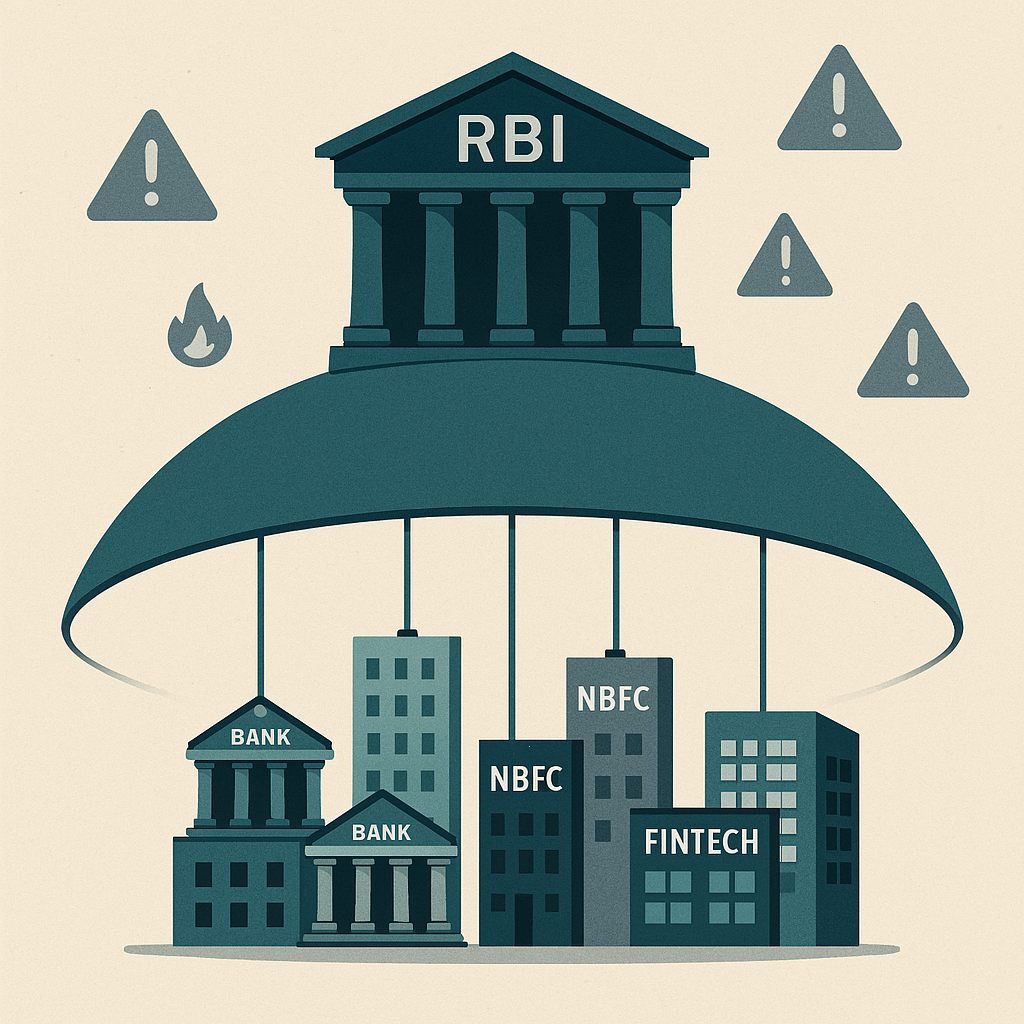
In the last three years, the Reserve Bank of India has significantly tightened its regulatory framework for Non-Banking Financial Companies and digital lending platforms. These are not obscure policy changes. They directly affect how quickly you can get a loan, what your lender can charge you, and what protections you have as a borrower.
You do not need to read the RBI circular in full. You need to understand the practical implications — and this post gives you exactly that.
Why did RBI tighten NBFC regulations?
The rapid growth of fintech lending between 2018 and 2022 created a set of problems: exploitative interest rates on short-term apps-based loans, aggressive and sometimes illegal recovery practices, borrowers taking 8–10 simultaneous loans from different digital lenders without any lender aware of the others, and significant data privacy violations.
RBI's response was a structured tightening — not to kill NBFC or fintech lending, but to make it safer, more transparent, and more honest.
Key changes and what they mean for borrowers
The KFS mandate is one of the most borrower-friendly regulations in Indian financial history. Before it, a loan advertised at '18% per annum' might actually cost 28–32% once processing fees, insurance bundling, and prepayment clauses were included. Now, the all-in APR must be disclosed upfront. Compare APRs — not just headline rates — before choosing a lender.
What this means practically if you are borrowing in 2026
- Always request the Key Fact Statement from any regulated lender before signing anything.
- Compare the Annual Percentage Rate (APR), not just the interest rate. The APR includes all costs.
- Use only RBI-regulated lenders and NBFCs. If a lending app is not registered with RBI, it has no obligation to follow these protections.
- Check the lender's CIBIL or CRIF reporting practices — good lenders report on time, which helps your credit score.
Regulation exists to protect borrowers — but only if borrowers know their rights. The KFS, the APR disclosure, and the cooling-off period are tools that exist for your benefit. Use them. Ask for them. And walk away from any lender who refuses to provide them.
Have a question about your finances?
FinAxis helps individuals and businesses across India with loans, working capital, wealth & insurance.
Talk to an expert