.png)
How to File an Insurance Claim — A Step-by-Step Guide
The moment of truth for any insurance policy. Most claim rejections happen not because the event was not covered — but because the process was not followed correctly.
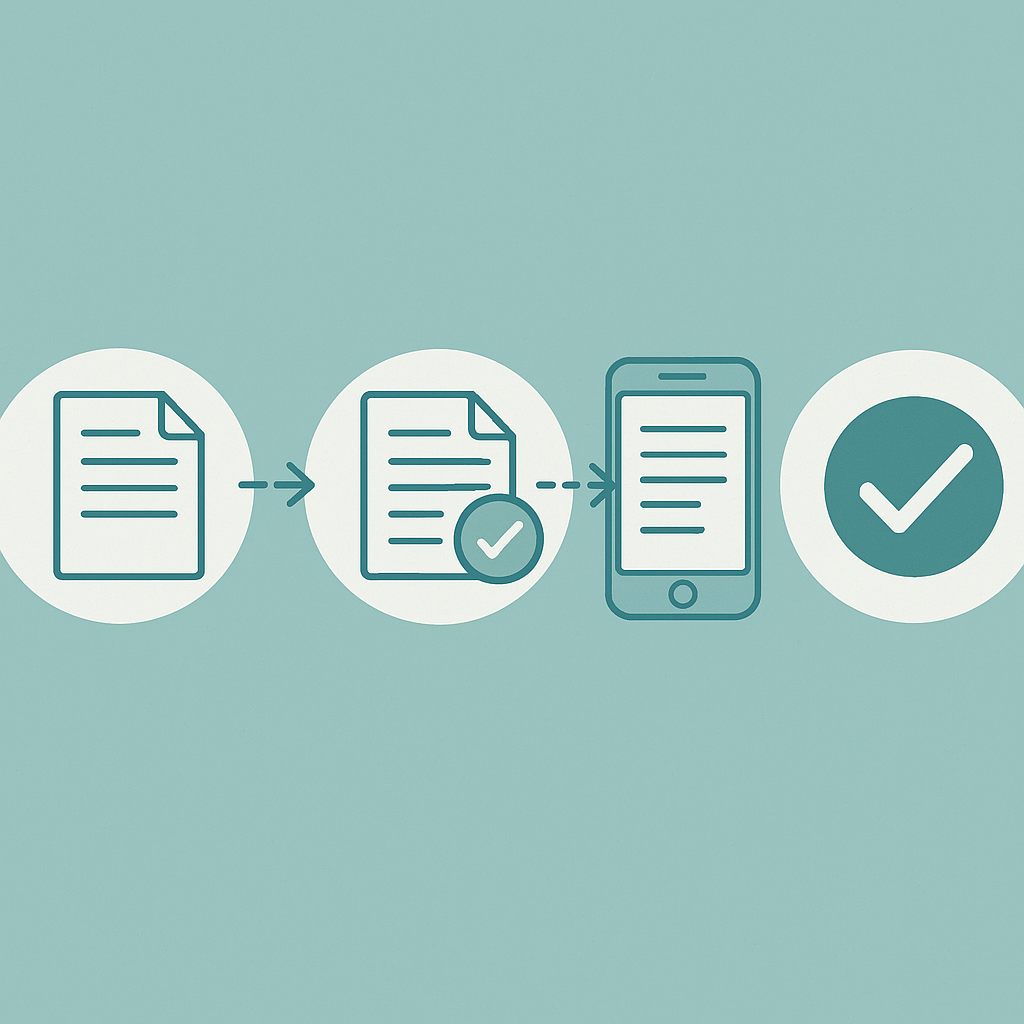
Buying insurance is the easy part. Filing a claim is where the policy actually earns its premium. And this is where most people struggle — not because their claim is invalid, but because they did not follow the process, missed a deadline, submitted incomplete documentation, or did not understand the difference between cashless and reimbursement claims.
This guide covers health insurance claims, but the principles apply to motor, life, and general insurance claims as well.
Cashless Claims — the simpler route
If you are admitted to a hospital in your insurer's network, you can avail cashless treatment — the insurer pays the hospital directly. You pay only the portions not covered by the policy (co-pay, non-covered items, consumables).
Step 1
Inform the insurer immediately Call your insurer's helpline or the hospital's insurance desk as soon as you are admitted (or before, for planned procedures). Most insurers require pre-authorisation — especially for planned surgeries.
Step 2
Submit pre-authorisation documents Provide your insurance card / policy number, ID proof, doctor's prescription, and admission details. The hospital's insurance desk usually handles this — but follow up.
Step 3
Get pre-auth approval The insurer reviews and approves the estimated claim. This can take 2–6 hours for routine admissions. Keep a copy of the approval letter.
Step 4
Collect all documents at discharge Even in a cashless claim, keep copies of the discharge summary, all bills, prescriptions, investigation reports, and operation notes. You may need these for any disputed amounts.
Reimbursement Claims — when cashless is not available
If treated at a non-network hospital, or if cashless was not arranged, you pay the hospital and claim reimbursement from the insurer afterwards. File the claim within the stipulated time — usually 15–30 days of discharge. Late submission is the most common reason for reimbursement rejection.
- Original bills and receipts — insurers do not accept photocopies for reimbursement.
- Discharge summary with diagnosis, treatment, and doctor's signature.
- All investigation reports — lab, radiology, ECG.
- Prescription for all medicines charged.
- Claim form — completed accurately and signed.
The most common reason reimbursement claims are rejected or reduced: the claim form mentions a different diagnosis than the discharge summary, or the bills include consumables that are excluded by the policy. Review every document before submission. Inconsistencies — even innocent ones — trigger scrutiny and delays.
If your claim is rejected
Request the specific reason in writing. Most rejections can be appealed with additional documentation or clarification. The Insurance Ombudsman — a free, government-backed grievance resolution body — has jurisdiction over all retail insurance claims and resolves disputes within 3 months. Use it if the insurer is unresponsive.
A claim rejection is rarely the end of the story. It is usually the beginning of a documentation exercise. Know your policy, follow the process, file on time, submit originals, and appeal if rejected. Your insurer is contractually obligated to pay what the policy covers. Hold them to it.
CATEGORY 05 Credit, Borrowing & Advanced Topics Understanding the financial system — so it works for you, not against you.
Have a question about your finances?
FinAxis helps individuals and businesses across India with loans, working capital, wealth & insurance.
Talk to an expert