.png)
The Emergency Fund — What It Is, Why You Need One, and Exactly How Big It Should Be
This is the most unglamorous topic in personal finance. It is also the most important one.
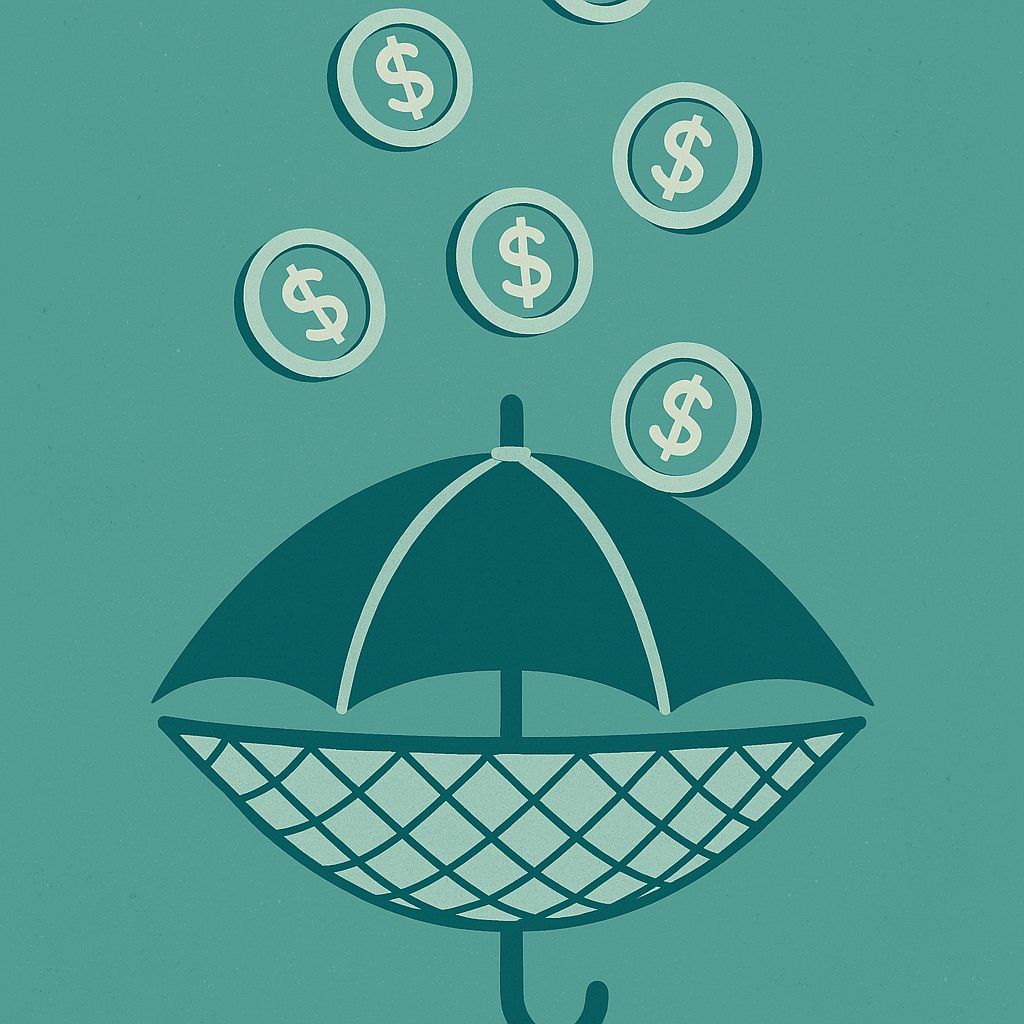
Here is a scenario that plays out in thousands of Indian households every year. A salaried professional loses their job unexpectedly. Or a medical emergency hits. Or the car breaks down at the worst possible time. The savings are in a SIP that cannot be touched without exit loads. The FD was broken last year for a family event. The credit card is already at its limit.
This is not a story about bad luck. It is a story about the absence of one financial tool that would have made none of this a crisis: an emergency fund.
What an emergency fund is — and what it is not
An emergency fund is a dedicated pool of money — kept in a liquid, accessible account — that exists only for genuine emergencies. It is not an investment. It is not earning maximum returns. It is not for vacations, weddings, or home renovations. It is your financial shock absorber.
The two defining characteristics: it must be liquid (accessible within 24 hours without penalty), and it must be separate (not mixed with your regular savings or investment accounts).
How much should you have?
| Your Situation | Recommended Emergency Fund Size |
|---|---|
| Single, no dependents, stable job | 3 months of essential monthly expenses |
| Married, one income, children | 6 months of essential monthly expenses |
| Self-employed or freelancer | 9–12 months of essential monthly expenses |
| Business owner with fixed overheads | 6 months of personal + 3 months of business costs |
| Pre-retirement or health concerns | 12+ months of essential monthly expenses |
'Essential monthly expenses' does not mean your entire current spending. It means the minimum you need to keep your life running: rent or EMI, groceries, utilities, insurance premiums, school fees, transport. Calculate this number specifically — most people find it is 30–40% less than their total current spending. The emergency fund covers essentials, not lifestyle.
Where to keep it
- A high-yield savings account — better than a regular savings account, still fully liquid.
- A liquid mutual fund — marginally higher returns than a savings account, redeemable within 24 hours.
- A short-term FD with sweep-in facility — earns FD rates but accessible like a savings account.
- Not in equity funds — markets can fall 30–40% when you most need the money. Emergency funds must not be at market risk.
How to build it if you do not have one
Start small. Set a goal of one month's expenses first. Then two. Then three. Treat the monthly transfer to your emergency fund like an EMI — non-negotiable, automated, and protected. Once it is fully funded, do not touch it for non-emergencies. Replenish it immediately if you ever use it.
An emergency fund does not earn great returns. It does something more valuable: it keeps every other part of your financial plan intact when life goes sideways. Without it, every crisis forces a bad financial decision. With it, a crisis is just an inconvenience.
Have a question about your finances?
FinAxis helps individuals and businesses across India with loans, working capital, wealth & insurance.
Talk to an expert